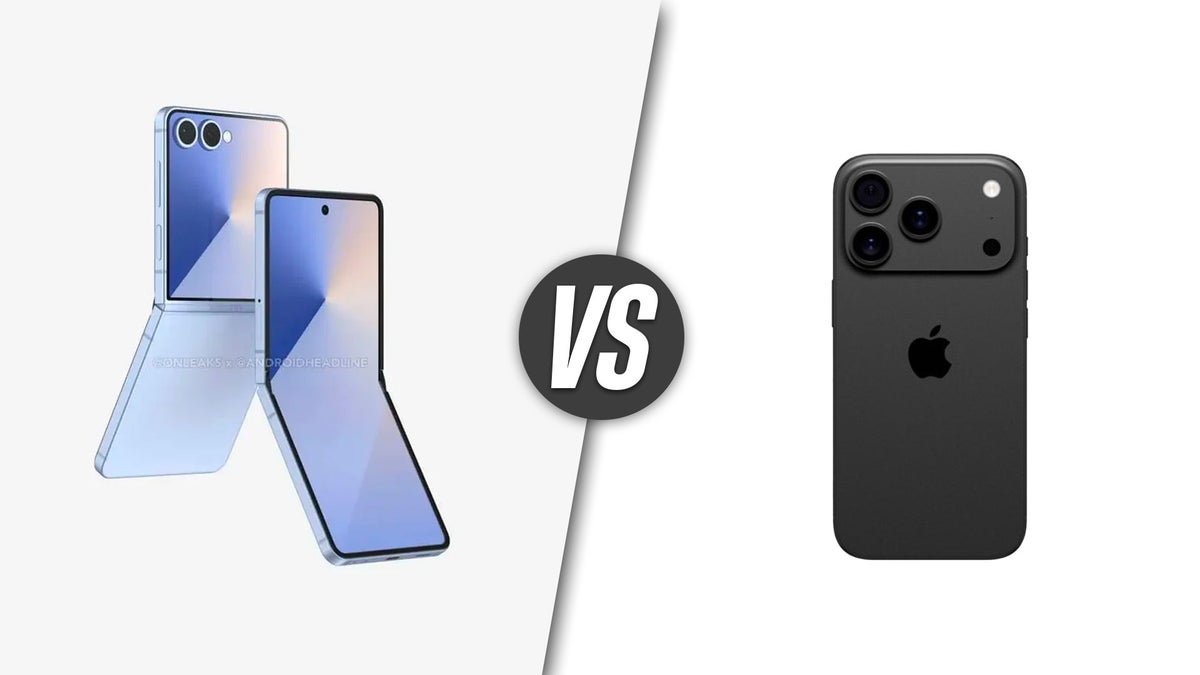
The Foldable Frontier: Samsung Galaxy Z Flip 7 vs. The Hypothetical iPhone 17 Flip – A 2000-Word Deep Dive
The smartphone industry stands on the precipice of its next great transformation, with foldable devices leading the charge. For years, Samsung has been at the forefront of this revolution, meticulously refining its Galaxy Z Flip series into a stylish, functional, and increasingly durable clamshell foldable. As we anticipate the arrival of the Galaxy Z Flip 7, a mature iteration of Samsung’s vision, the industry also buzzes with a persistent, tantalizing rumor: Apple’s eventual entry into the foldable market. While still firmly in the realm of speculation, the hypothetical "iPhone 17 Flip" represents the ultimate challenger, a potential clash of titans between Samsung’s established foldable prowess and Apple’s legendary design, software integration, and ecosystem mastery.
This extensive comparison delves deep into what we can expect from the Samsung Galaxy Z Flip 7, drawing from its predecessors’ evolution and current industry trends, and pits it against a meticulously imagined iPhone 17 Flip, hypothesizing how Apple might approach this nascent category based on its historical patterns, patent filings, and design philosophy. Our goal is to paint a comprehensive picture of what a future foldable landscape, dominated by these two giants, might look like.
Samsung Galaxy Z Flip 7: The Apex of Iterative Refinement
Samsung’s Galaxy Z Flip series has consistently represented the more fashion-forward and pocketable side of the foldable market. Moving into its seventh generation, the Z Flip 7 is poised to be the most refined and feature-rich clamshell foldable from the South Korean giant yet. Its evolution has seen significant strides in durability, hinge design, and cover screen functionality.
Expected Enhancements & Core Strengths:
-
Design & Durability: The Z Flip 7 will undoubtedly build upon the "Flex Hinge" design, aiming for an even more gapless closure and enhanced dust and water resistance (likely retaining an IPX8 rating, with potential improvements to dust protection). Samsung has been incrementally improving the durability of its Ultra Thin Glass (UTG), and the Z Flip 7 is expected to feature a tougher, more scratch-resistant main display. Materials like Armor Aluminum will continue to be a staple, perhaps with new finishes or color options that lean into the lifestyle aspect of the device. The aim is a lighter, thinner, yet more robust device.
-
Main Display: Expect a stunning 6.7-inch or 6.9-inch Dynamic AMOLED 2X display with a 120Hz adaptive refresh rate. The key focus for Samsung will be to further minimize the visible crease. While unlikely to disappear entirely, advancements in panel technology and hinge design could make it significantly less noticeable than previous generations. Brightness levels will likely see a boost for better outdoor visibility, and color accuracy will remain top-tier.
-
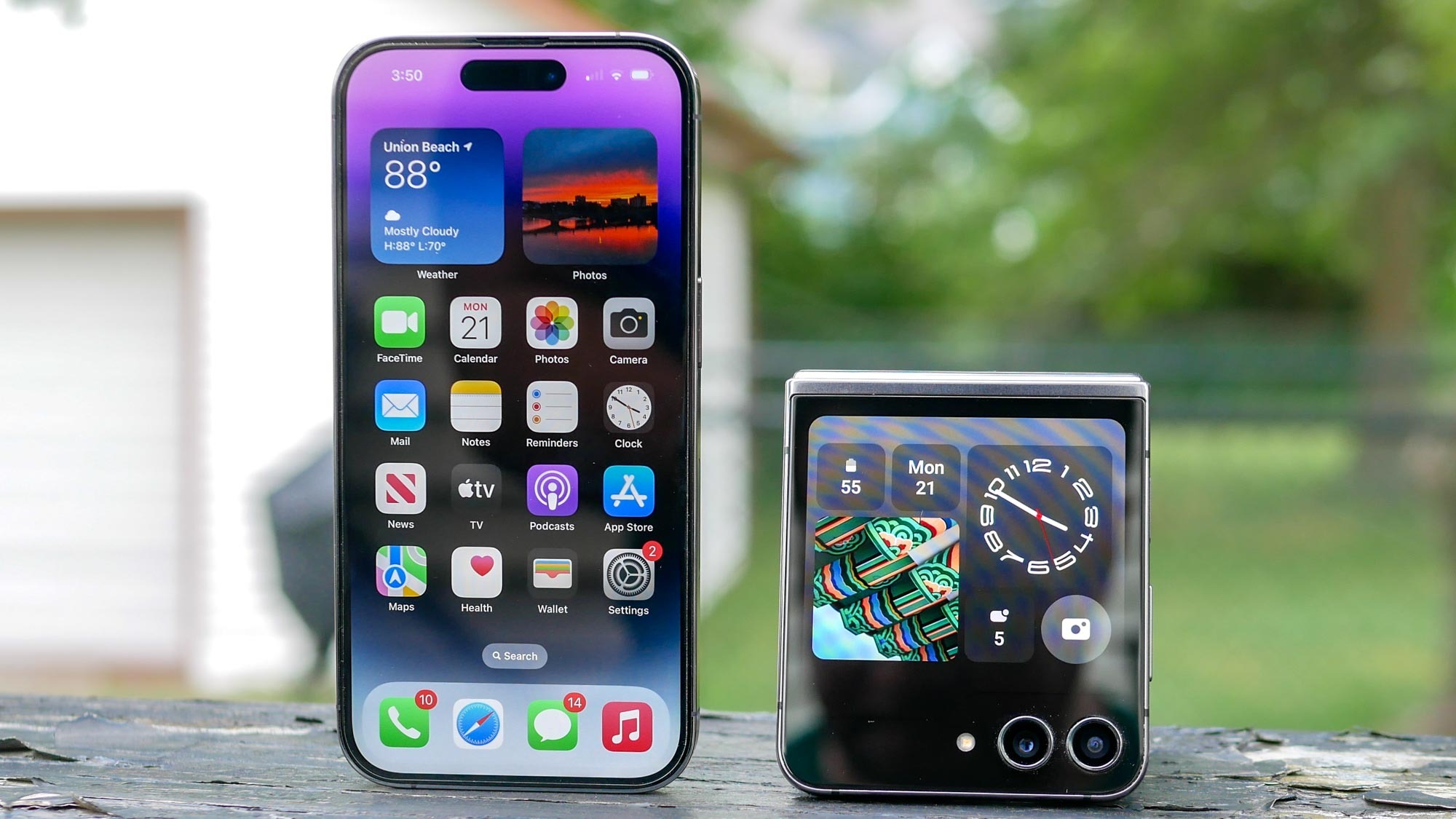
Cover Screen (Flex Window): This has been a major differentiator and area of rapid development for Samsung. The Z Flip 7’s cover screen is anticipated to be even larger and more functional than the Z Flip 6’s 3.4-inch display. We could see a near-full-cover screen, possibly allowing for more comprehensive app support directly on the outer display, richer widgets, and even more detailed notification interactions without opening the phone. Enhanced customization and a wider array of quick settings will make it a truly versatile mini-display.
-
Performance: The Z Flip 7 will almost certainly house the latest flagship silicon, likely the Snapdragon 8 Gen 4 for Galaxy (a custom-tuned version) or the equivalent Exynos chipset in select regions. This guarantees unparalleled processing power, superior graphics for gaming, and highly efficient AI capabilities. Paired with ample RAM (expected 8GB or 12GB), the Z Flip 7 will handle demanding applications, multi-tasking, and intensive gaming with ease.
-
Camera System: While the Flip series typically doesn’t match the S Ultra’s camera prowess, the Z Flip 7 will see significant upgrades. Expect a larger main sensor, potentially moving beyond 50MP, with improved low-light performance and better optical image stabilization (OIS). The ultrawide lens will also see enhancements. Samsung’s computational photography, bolstered by the new NPU in the Snapdragon 8 Gen 4, will deliver sharper images, more natural colors, and advanced AI-driven features like enhanced scene optimization and improved portrait modes. The unique form factor also allows for versatile shooting angles (FlexCam), which will be further refined.
-
Battery & Charging: Battery life has been a persistent area for improvement in the Flip series. The Z Flip 7 is expected to pack a larger battery (potentially nearing 4,000 mAh) and leverage the power efficiency of the new chipset. Faster wired charging (perhaps 25W or 45W) and improved wireless charging speeds are also likely.
-
Software & Ecosystem: Running on Android 15 with Samsung’s One UI, the Z Flip 7 will heavily feature Galaxy AI capabilities introduced in the S24 series. Features like Live Translate, Circle to Search, Generative Edit, and advanced call assistance will be seamlessly integrated. One UI’s optimization for the foldable form factor, particularly Flex Mode for hands-free media consumption and video calls, will be further refined, offering intuitive multi-tasking and app continuity between the main and cover screens.
The Hypothetical iPhone 17 Flip: Apple’s Meticulous Entry
Apple’s approach to new product categories is famously cautious. They rarely rush to be first; instead, they observe, learn from others’ mistakes, and then launch a highly polished, meticulously integrated product that often redefines the category. The "iPhone 17 Flip" (or whatever Apple might call it) would, therefore, not be a mere copycat but a distinct Apple interpretation of the foldable concept.
Hypothetical Features & Core Strengths:
-
Design & Durability: Apple’s design language is synonymous with premium materials, minimalist aesthetics, and unparalleled fit-and-finish. The iPhone 17 Flip would likely feature a sleek, robust design, possibly utilizing titanium or a new, incredibly durable aerospace-grade aluminum. The hinge would be Apple’s proprietary innovation, potentially a multi-link mechanism designed to eliminate the crease almost entirely and offer extreme durability. Expect best-in-class water and dust resistance, perhaps pushing beyond current IP ratings. The phone would feel incredibly solid and premium, with Apple’s signature tight tolerances.
-
Main Display: Apple’s "ProMotion" OLED displays are renowned for their color accuracy and smoothness. The iPhone 17 Flip would likely feature a custom LTPO OLED panel, possibly leveraging new display technologies (like micro-lens arrays or advanced polarizers) to minimize crease visibility. Expect exceptional brightness, vibrant colors, and potentially a dynamic refresh rate that can drop as low as 1Hz for always-on display functionality on the main screen. The crease, if any, would be subtle to the point of near invisibility to the casual user.
-
Cover Screen (External Display): This is where Apple could truly innovate. Instead of just a utility screen, Apple might envision a highly interactive "Mini-iOS" experience on the external display. It could be a larger, high-resolution panel, seamlessly integrated into the design, offering full widget support, quick access to key apps (like Wallet, Home, Music), and perhaps even a full-fledged camera viewfinder with computational photography running in real-time. Face ID could be integrated here, allowing for secure unlocking without opening the device.
-
Performance: The iPhone 17 Flip would be powered by the latest A-series Bionic chip (e.g., A17 Bionic or A18 Bionic), ensuring industry-leading performance. Apple’s chips are custom-designed for iOS, providing unmatched efficiency and raw power for demanding tasks, gaming, and especially advanced machine learning operations. This would translate to incredibly fluid animations, instantaneous app launches, and seamless multitasking.
-
Camera System: This is arguably Apple’s strongest suit. The iPhone 17 Flip would inherit and enhance Apple’s computational photography prowess. While physically smaller than the Pro Max models, the software optimization, Photonic Engine, and potentially new sensor technologies would deliver stunning image quality, particularly in challenging lighting conditions. Expect best-in-class video recording (Cinematic Mode, ProRes video), ProRAW capabilities, and unparalleled consistency across all lenses. The foldable form factor could also inspire new camera features, perhaps leveraging the hinge for unique shooting angles or stable video calls.
-
Battery & Charging: Apple prioritizes efficiency. While the battery capacity might not be the largest on paper, the highly optimized A-series chip and iOS would ensure excellent battery life. Fast charging would be present (likely up to 27W or 35W, though Apple is often conservative), along with MagSafe wireless charging, which would seamlessly integrate with a range of Apple accessories.
-
Software & Ecosystem: This is the iPhone 17 Flip’s killer feature. iOS, meticulously optimized for the foldable form factor, would offer a fluid and intuitive user experience. Features like enhanced split-screen multitasking, dynamic app resizing, and seamless transitions between folded and unfolded states would be core. The deep integration with Apple’s ecosystem (AirPods, Apple Watch, Mac, Apple TV) would provide an unparalleled user experience, from Handoff to AirDrop to iCloud synchronization. Privacy and security, a cornerstone of Apple’s philosophy, would be paramount.
Head-to-Head: A Detailed Comparison
Now, let’s pit these two theoretical titans against each other across key categories:
1. Design & Durability:
-
Z Flip 7: Benefits from years of iterative improvements. Its hinge will be refined, perhaps offering a more robust feel and a truly gapless design. Samsung’s Armor Aluminum and improved UTG will offer good everyday durability. The aesthetic will be familiar, stylish, and perhaps more playful with diverse color options.
-
iPhone 17 Flip: Apple’s entry would likely set a new bar for premium feel and engineering. Expect a hinge that is a marvel of engineering, potentially invisible when open and completely seamless when closed, with minimal to no crease. Materials like polished titanium would give it an unmatched luxurious feel. Its durability would be backed by Apple’s rigorous testing and likely a highly robust proprietary display cover.
-
Verdict: While the Z Flip 7 will be very good, the iPhone 17 Flip has the potential to redefine premium foldable design and durability, leveraging Apple’s "no compromises" approach to hardware engineering.
2. Main Display:
-
Z Flip 7: A bright, vibrant, and smooth Dynamic AMOLED 2X display with a high refresh rate. The crease will be less noticeable but likely still present to some degree under certain lighting conditions.
-
iPhone 17 Flip: An LTPO ProMotion OLED display, potentially with unique Apple display tech that minimizes the crease to an almost imperceptible level. Expect superior color calibration, peak brightness, and a more uniform viewing experience across the fold.
-
Verdict: Apple’s historical excellence in display technology, coupled with a presumed focus on crease elimination, could give the iPhone 17 Flip a slight edge in display quality and overall viewing experience.
3. Cover Screen (External Display):
-
Z Flip 7: Will offer a larger, highly functional Flex Window, enabling more app usage and extensive customization. Samsung’s strength here is providing practical utility for quick interactions.
-
iPhone 17 Flip: Could revolutionize the external display. Apple might envision it as a fully integrated "Mini-iOS" experience, offering far more depth, interactive widgets, and seamless app continuity than anything seen before, potentially with Face ID for secure unlocking.
-
Verdict: Both will excel, but Apple’s potential for deeper software integration and a more holistic "Mini-iOS" experience could make the iPhone 17 Flip’s external display a true game-changer.
4. Performance:
-
Z Flip 7: Will deliver top-tier Android performance with the latest Snapdragon or Exynos chip. Excellent for gaming, multi-tasking, and AI-driven tasks.
-
iPhone 17 Flip: The A-series Bionic chip will offer unparalleled raw performance and efficiency, especially in single-core tasks and graphics. Apple’s hardware-software optimization ensures consistently smooth and responsive operation that few can match.
-
Verdict: Both will be incredibly fast. For raw benchmarks and sustained peak performance, Apple’s A-series typically holds an edge due to its custom design and vertical integration.
5. Camera Systems:
-
Z Flip 7: Will feature significantly improved sensors and computational photography, offering good low-light performance and versatile FlexCam modes. It will be a strong performer for most users.
-
iPhone 17 Flip: Will likely inherit Apple’s best-in-class computational photography, delivering incredibly consistent, high-quality images and video across all lighting conditions. Features like Cinematic Mode, ProRAW, and superior video stabilization would make it a mobile videography powerhouse.
-
Verdict: While the Z Flip 7 will be highly capable, Apple’s long-standing reputation for camera excellence, particularly in computational photography and video, gives the hypothetical iPhone 17 Flip a likely lead in overall image and video quality.
6. Battery Life & Charging:
-
Z Flip 7: Will likely see improvements in battery capacity and efficiency, aiming for comfortable all-day usage. Charging speeds will be competitive within the Android ecosystem.
-
iPhone 17 Flip: Apple’s focus on efficiency might mean a smaller battery capacity but optimized software will ensure excellent battery life. Charging speeds might be conservative compared to some Android flagships, but MagSafe integration will be a convenience factor.
-
Verdict: Too close to call definitively without knowing exact specs. Samsung might offer slightly faster wired charging, but Apple’s efficiency could balance it out for real-world usage.
7. Software & Ecosystem:
-
Z Flip 7: Android 15 with One UI and Galaxy AI offers immense customization, multi-tasking flexibility (Flex Mode), and a wide array of AI-powered features. It’s an open, versatile platform.
-
iPhone 17 Flip: iOS, deeply integrated with Apple’s hardware, provides unparalleled polish, security, and a seamless ecosystem experience across all Apple devices. Its foldable-specific optimizations would be meticulously crafted for intuition.
-
Verdict: This is the most significant differentiator. Android offers more freedom and customization, while iOS provides a more curated, secure, and seamlessly integrated experience. The choice here comes down to user preference for an open or closed ecosystem. Apple’s ecosystem strength, however, would be a major draw for existing iPhone users.
8. Innovation & Future-Proofing:
-
Z Flip 7: Represents the pinnacle of iterative innovation in the foldable space. Samsung is pushing the boundaries of what’s possible within an established form factor, making foldables more mainstream.
-
iPhone 17 Flip: Would be a disruptive entry, potentially introducing novel hinge mechanisms, display technologies, or software interactions that become industry standards. Apple’s ability to drive mainstream adoption of new tech is unparalleled.
-
Verdict: Samsung innovates through refinement and accessibility. Apple innovates through meticulous perfection and often sets new industry benchmarks. The iPhone 17 Flip could be more "future-proof" in terms of setting trends, while the Z Flip 7 is a more refined version of the current foldable future.
9. Price & Value Proposition:
-
Z Flip 7: Samsung has steadily made its Flips more accessible, though still premium. It’s likely to hover around the $999 – $1,099 mark, offering a premium foldable experience at a relatively "affordable" price point for the category.
-
iPhone 17 Flip: Apple’s first-generation products, especially in new categories, are notoriously expensive. Expect a starting price well north of $1,499, possibly even touching $1,799, positioning it as a luxury, bleeding-edge device.
-
Verdict: The Z Flip 7 will offer significantly better value for money, making foldable technology more accessible. The iPhone 17 Flip would be a premium investment for early adopters and Apple enthusiasts.
Target Audience & Final Thoughts
Samsung Galaxy Z Flip 7: This device is for the user who craves a stylish, compact, and functional smartphone that stands out from the slab phone crowd. It’s for the Android enthusiast who appreciates Samsung’s ecosystem, loves customization, and wants a refined foldable experience without the extreme price tag of a book-style foldable. Its mature software and improving durability make it a reliable daily driver.
Hypothetical iPhone 17 Flip: This device would target existing iPhone users looking for the ultimate Apple experience in a new form factor. It’s for those who prioritize seamless ecosystem integration, top-tier performance, best-in-class camera capabilities, and Apple’s signature design and software polish. It would be for the early adopter with a significant budget, willing to pay a premium for Apple’s take on the future of smartphones.
The confrontation between the Samsung Galaxy Z Flip 7 and the hypothetical iPhone 17 Flip represents more than just a battle of specifications; it’s a clash of philosophies. Samsung, the pioneer, has tirelessly iterated, bringing foldables into the mainstream through consistent improvement and competitive pricing. Apple, the meticulous perfectionist, would likely enter the market with a device that aims to redefine the foldable experience entirely, leveraging its ecosystem and design prowess to create something truly unique.
While the iPhone 17 Flip remains a dream, its potential presence casts a long shadow over the foldable market. When and if it arrives, it will undoubtedly validate the foldable form factor on a grand scale and push Samsung, and indeed the entire industry, to innovate even faster. For now, the Galaxy Z Flip 7 stands as the most likely contender to further solidify the clamshell foldable’s place in the smartphone landscape, continuing Samsung’s impressive journey on the foldable frontier. The future of smartphones is folding, and these two giants are poised to shape its evolution.