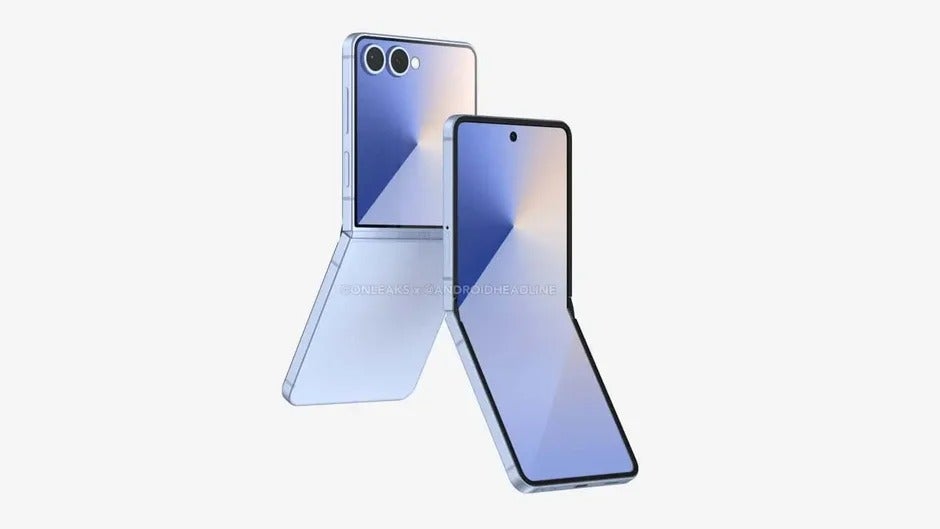
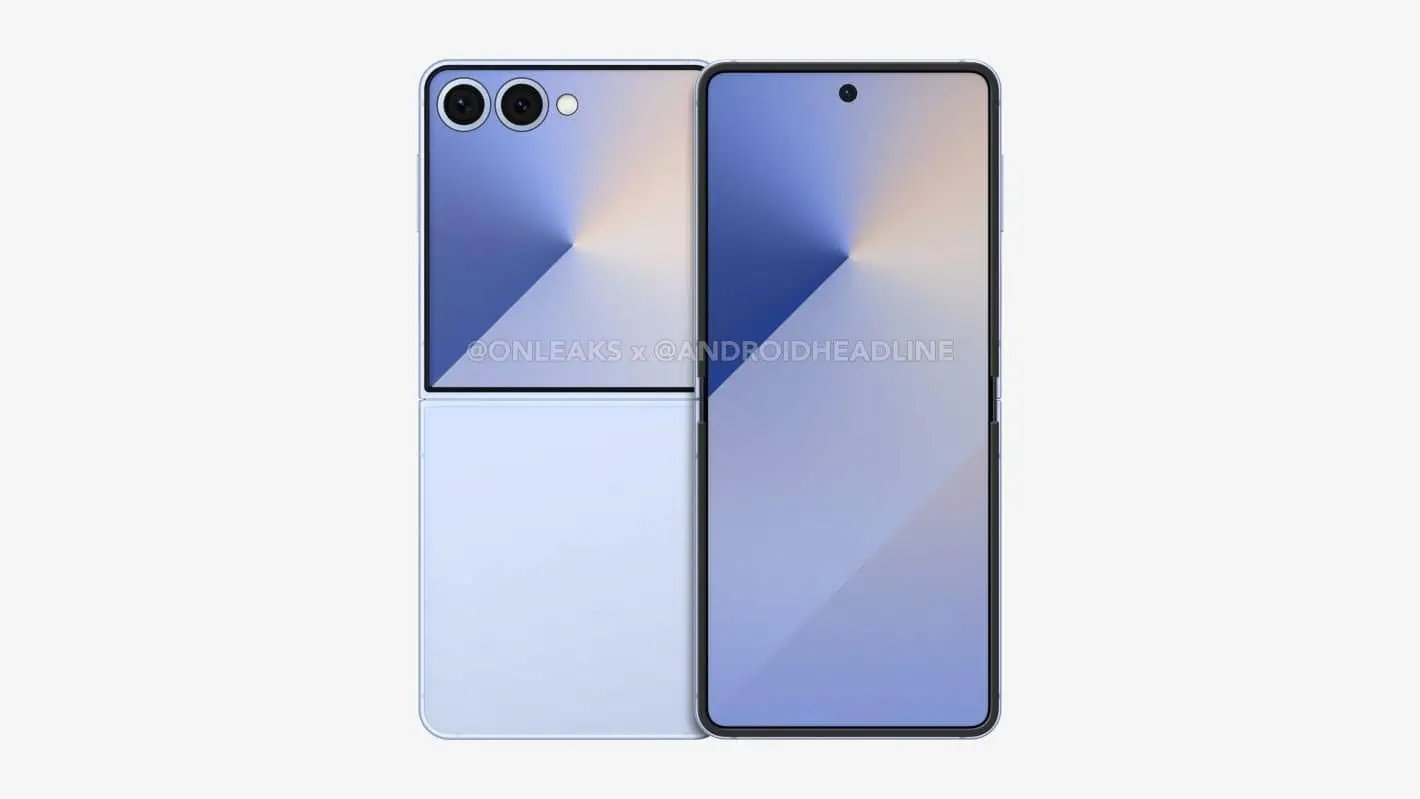
Okay, here is a 2000-word article on the speculative battery life of the Samsung Galaxy Z Flip 7, framed around expectations, trends, and what users can anticipate from a future foldable flagship.
How Good Will the Battery Life Be on the Galaxy Z Flip 7? A Deep Dive into Future Foldable Endurance
The allure of the Samsung Galaxy Z Flip series is undeniable: a full-fledged smartphone that folds in half, slipping effortlessly into pockets and purses. It’s a statement, a fashion accessory, and a marvel of engineering. However, for many users, especially those considering a switch from traditional slab phones, one question consistently looms large: "How good is the battery life?"
As we look towards the anticipated release of the Galaxy Z Flip 7, this question takes on even greater significance. While the device is still firmly in the realm of speculation and future development, we can make informed predictions based on Samsung’s trajectory with previous Flip models, advancements in mobile technology, and the evolving landscape of user expectations. This article will delve deep into what factors will likely influence the Galaxy Z Flip 7’s battery performance, what improvements we can expect, and how it might finally address the endurance concerns that have historically shadowed compact foldables.
The Historical Context: A Journey of Iteration and Improvement
To understand where the Z Flip 7 is headed, we must first acknowledge its predecessors. Samsung’s journey with the Z Flip series has been one of continuous, albeit sometimes incremental, improvement, particularly in the realm of battery life.
- Galaxy Z Flip 3: The Z Flip 3, while a breakthrough in design and affordability, was widely criticized for its modest 3,300mAh battery. Coupled with a power-hungry flagship processor and a 120Hz display, it often struggled to last a full day for moderate to heavy users. It served as a stark reminder of the challenges of fitting sufficient battery capacity into such a compact, folding form factor.
- Galaxy Z Flip 4: This generation marked a significant turning point. Samsung increased the battery capacity to 3,700mAh and, crucially, integrated the more power-efficient Snapdragon 8+ Gen 1 processor. This combination resulted in a noticeable improvement, pushing the Z Flip 4 into the "all-day for light users" category and making it much more palatable for a wider audience. It demonstrated Samsung’s commitment to addressing core user pain points.
- Galaxy Z Flip 5: While the battery capacity remained at 3,700mAh, the Z Flip 5 benefited immensely from the even more efficient Snapdragon 8 Gen 2 for Galaxy chip. Perhaps more importantly, the significantly larger and more functional Flex Window (cover screen) played a pivotal role. Users found themselves interacting with the main display less, relying on the external screen for quick tasks, notifications, and even mini-apps. This reduction in main display usage, which is typically the biggest battery drain, indirectly extended overall endurance.
- Galaxy Z Flip 6 (Anticipated): Before the Z Flip 7, the Z Flip 6 is expected to continue this trend. Rumors often suggest another slight bump in battery capacity (perhaps to 3,800mAh or 3,900mAh) and, most certainly, the integration of the next-generation flagship processor (likely the Snapdragon 8 Gen 3 for Galaxy). These iterative improvements, combined with ongoing software optimizations, are expected to push the Z Flip series closer to the battery performance of traditional flagship smartphones.
This historical context is vital because it establishes a clear pattern: Samsung is actively working to optimize battery life within the physical constraints of the Z Flip form factor. Each generation has brought tangible, if not revolutionary, improvements. The Z Flip 7 will undoubtedly build upon this foundation.
Key Factors Influencing Z Flip 7 Battery Life
When predicting the Z Flip 7’s battery performance, several critical components and software optimizations come into play:
-
Battery Capacity (mAh): The Physical Limit
The most straightforward factor is the raw milliamp-hour (mAh) capacity of the battery. The Z Flip’s unique clamshell design necessitates a split-battery configuration, with cells located in both halves of the device. This engineering challenge limits the total volume available for batteries.- Z Flip 7 Expectation: It’s highly probable that Samsung will aim for another slight increase in battery capacity, potentially pushing it into the 4,000mAh range or slightly above. Advances in battery technology (e.g., higher energy density cells, stacked battery designs) could allow for more power within the same or similar physical footprint. Even a modest 100-200mAh increase, when combined with other efficiencies, can yield noticeable results.
-
Processor Efficiency: The Brains of the Operation
The System-on-a-Chip (SoC) is the single most significant determinant of a smartphone’s overall power efficiency.- Z Flip 7 Expectation: The Galaxy Z Flip 7 will almost certainly feature the latest flagship processor, likely the Snapdragon 8 Gen 4 for Galaxy (or Samsung’s equivalent Exynos chip if they return to a dual-chip strategy). Each new generation of flagship mobile processors brings significant improvements in power efficiency, thanks to:
- Smaller Manufacturing Nodes: Moving from 4nm to 3nm (or even 2nm in the future) allows for more transistors in a smaller space, consuming less power for the same amount of work.
- Optimized Core Architectures: Better task scheduling, more efficient core clusters, and specialized NPU (Neural Processing Unit) for AI tasks (which are increasingly integrated into daily operations) all contribute to lower power draw.
- Improved Modems: The integrated 5G modem will also become more efficient, reducing power consumption during cellular data usage.
- Z Flip 7 Expectation: The Galaxy Z Flip 7 will almost certainly feature the latest flagship processor, likely the Snapdragon 8 Gen 4 for Galaxy (or Samsung’s equivalent Exynos chip if they return to a dual-chip strategy). Each new generation of flagship mobile processors brings significant improvements in power efficiency, thanks to:
-
Display Technology: The Power-Hungry Screen
The display is typically the biggest battery drain. Samsung’s Dynamic AMOLED 2X displays are gorgeous but can be power-intensive, especially at 120Hz.- Z Flip 7 Expectation:
- LTPO 2.0/3.0 Technology: The Z Flip 7 will undoubtedly feature advanced LTPO (Low-Temperature Polycrystalline Oxide) panels, allowing for a wider and more dynamic variable refresh rate (e.g., dropping as low as 1Hz for static content). This significantly conserves power compared to fixed refresh rates.
- Improved Panel Efficiency: Samsung Display continuously refines its OLED panels to be more power-efficient, achieving higher brightness with less energy consumption.
- Enhanced Flex Window (Cover Screen): The Z Flip 5’s larger cover screen proved to be a battery saver. The Z Flip 7’s Flex Window is likely to be even more functional and integrated, further reducing the need to open the main display for quick interactions. This "indirect" battery saving is a key strength of the clamshell foldable design.
- Z Flip 7 Expectation:
-
Software Optimization: The Unsung Hero
Hardware is only half the battle. Samsung’s One UI, built on Android, plays a crucial role in managing power consumption.- Z Flip 7 Expectation:
- Adaptive Battery: Android’s adaptive battery features, powered by machine learning, learn user habits and prioritize power for frequently used apps while restricting background activity for others. This will continue to improve.
- One UI Specific Optimizations: Samsung consistently refines its software to be more efficient, from background app management to display brightness algorithms and network power management. Expect the Z Flip 7’s One UI to be the most power-efficient iteration yet for a foldable.
- Foldable-Specific Optimizations: Samsung will likely continue to optimize how the software handles the dual-screen setup, ensuring smooth transitions and efficient power use whether the phone is open, closed, or in Flex Mode.
- Z Flip 7 Expectation:
-
Charging Speed: Mitigating Concerns
While not directly related to battery life, faster charging mitigates battery anxiety. If a user can quickly top up their phone, a slightly shorter battery life becomes less of an issue.- Z Flip 7 Expectation: Samsung has been conservative with charging speeds compared to some competitors. The Z Flip 5 offered 25W wired charging. We might see a slight bump to 30W or even 45W, aligning it more closely with their S-series flagships. Wireless charging (likely 15W) and reverse wireless charging (4.5W) will also be present.
What to Expect from the Z Flip 7’s Battery Life: A Prediction
Given the trends and anticipated technological advancements, the Galaxy Z Flip 7 is poised to offer the best battery life yet in the Z Flip series.
-
For the Average User (Moderate Usage): We can confidently predict that the Z Flip 7 will deliver a comfortable all-day battery life. This means getting through a typical 12-16 hour day with around 5-6 hours of screen-on time (SOT), with some juice left over before bedtime. The combination of a potentially larger battery, a significantly more efficient processor (Snapdragon 8 Gen 4), and enhanced software/Flex Window usage will be key. It should feel less like a compromise and more like a standard flagship phone in terms of endurance.
-
For the Power User (Heavy Usage): For users who game frequently, stream hours of video, use navigation extensively, or are constantly on 5G, the Z Flip 7 will likely still require a top-up late in the afternoon or early evening. While it won’t magically transform into a multi-day phone, it should offer better longevity than any previous Flip. Expect around 6-7 hours of SOT under heavy load, pushing it closer to what some compact slab flagships offer. The improvements will mean less anxiety and fewer desperate searches for a charger.
-
The "Flip" Factor’s Continued Advantage: The clamshell design, ironically, offers a unique advantage for battery life. The Z Flip 7’s enhanced Flex Window will be crucial. By allowing users to handle more tasks (checking notifications, replying to messages, controlling media, taking quick photos, even running mini-apps) without opening the main display, it significantly reduces the power drain associated with the large, high-refresh-rate internal screen. This indirect battery saving is a feature traditional slab phones simply cannot replicate.
Addressing the "Compact Foldable" Conundrum
The fundamental challenge for clamshell foldables like the Z Flip is the delicate balance between form factor and functionality. Users want a thin, light, pocketable device, but they also demand excellent battery life. Physics dictates that a larger battery takes up more space.
The Z Flip 7 will likely represent Samsung’s most refined attempt yet at this balancing act. They are not just throwing a bigger battery in; they are optimizing every single component – from the display’s power consumption to the processor’s efficiency and the software’s ability to manage resources. The goal isn’t just "more battery," but "more efficient battery usage" for the entire device.
Beyond the Specs: Real-World Usage Tips (Still Relevant for Z Flip 7)
Even with expected improvements, user habits will always play a significant role in battery longevity. These tips will remain relevant for the Galaxy Z Flip 7:
- Utilize the Flex Window: Maximize your use of the cover screen for quick checks and tasks to avoid opening the main display unnecessarily.
- Adaptive Brightness: Let the phone automatically adjust screen brightness. Manual max brightness drains power quickly.
- Manage Refresh Rate: While 120Hz is great, if you need to stretch battery life, consider switching to a standard 60Hz or letting the adaptive refresh rate do its job.
- Background App Refresh: Limit which apps can run in the background.
- Location Services: Turn off GPS when not needed, or restrict it for certain apps.
- Dark Mode: For OLED screens, dark mode can save power as black pixels are essentially turned off.
- Wi-Fi Over 5G: When available, Wi-Fi is generally more power-efficient than cellular data, especially 5G.
- App Optimization: Use Samsung’s built-in device care features to put unused apps to sleep.
Conclusion: A Promising Future for Foldable Endurance
The Samsung Galaxy Z Flip 7 is not just another iteration; it’s a testament to Samsung’s continuous commitment to refining the foldable experience. While it’s impossible to give definitive battery life numbers for an unreleased device, the trajectory of the Z Flip series, coupled with relentless advancements in mobile technology, strongly suggests that the Z Flip 7 will deliver a significant step forward in endurance.
We can expect a device that comfortably lasts a full day for the vast majority of users, with power users finding it far more capable than its predecessors. The combination of potentially increased battery capacity, a supremely efficient next-generation processor, advanced LTPO display technology, and intelligent software optimizations (including the ever-more useful Flex Window) will cement the Galaxy Z Flip 7’s position not just as a stylish statement, but as a genuinely practical daily driver with battery life that finally matches, or at least closely rivals, its traditional flagship counterparts. The era of battery anxiety in compact foldables may finally be coming to a definitive end with the arrival of the Z Flip 7.