Is the Galaxy Z Flip 7 Worth Upgrading From the Flip 6? A Comprehensive Analysis
The world of smartphones is in a constant state of flux, with annual iterations promising more power, better cameras, and innovative features. Nowhere is this more apparent than in the nascent but rapidly maturing foldable market, where Samsung reigns supreme. With the anticipated launch of the Galaxy Z Flip 7 on the horizon, a burning question arises for current owners of the Galaxy Z Flip 6: Is it truly worth the upgrade?
This isn’t a simple yes or no answer. The decision hinges on a multitude of factors, from individual user needs and budget constraints to the specific, often incremental, improvements Samsung is expected to introduce. This article will delve deep into the likely enhancements of the Z Flip 7, analyze the enduring strengths and acknowledged limitations of the Z Flip 6, and ultimately provide a comprehensive framework to help you decide if the upgrade is a smart move for you.
The Current Contender: A Look Back at the Galaxy Z Flip 6
Before we peer into the future, it’s essential to understand the foundation upon which the Z Flip 7 will build. The Galaxy Z Flip 6, released just a year prior, was not a revolutionary leap but a refined iteration that solidified Samsung’s foldable offering. It brought welcome improvements and remains a highly capable and desirable device for many.
Strengths of the Galaxy Z Flip 6:
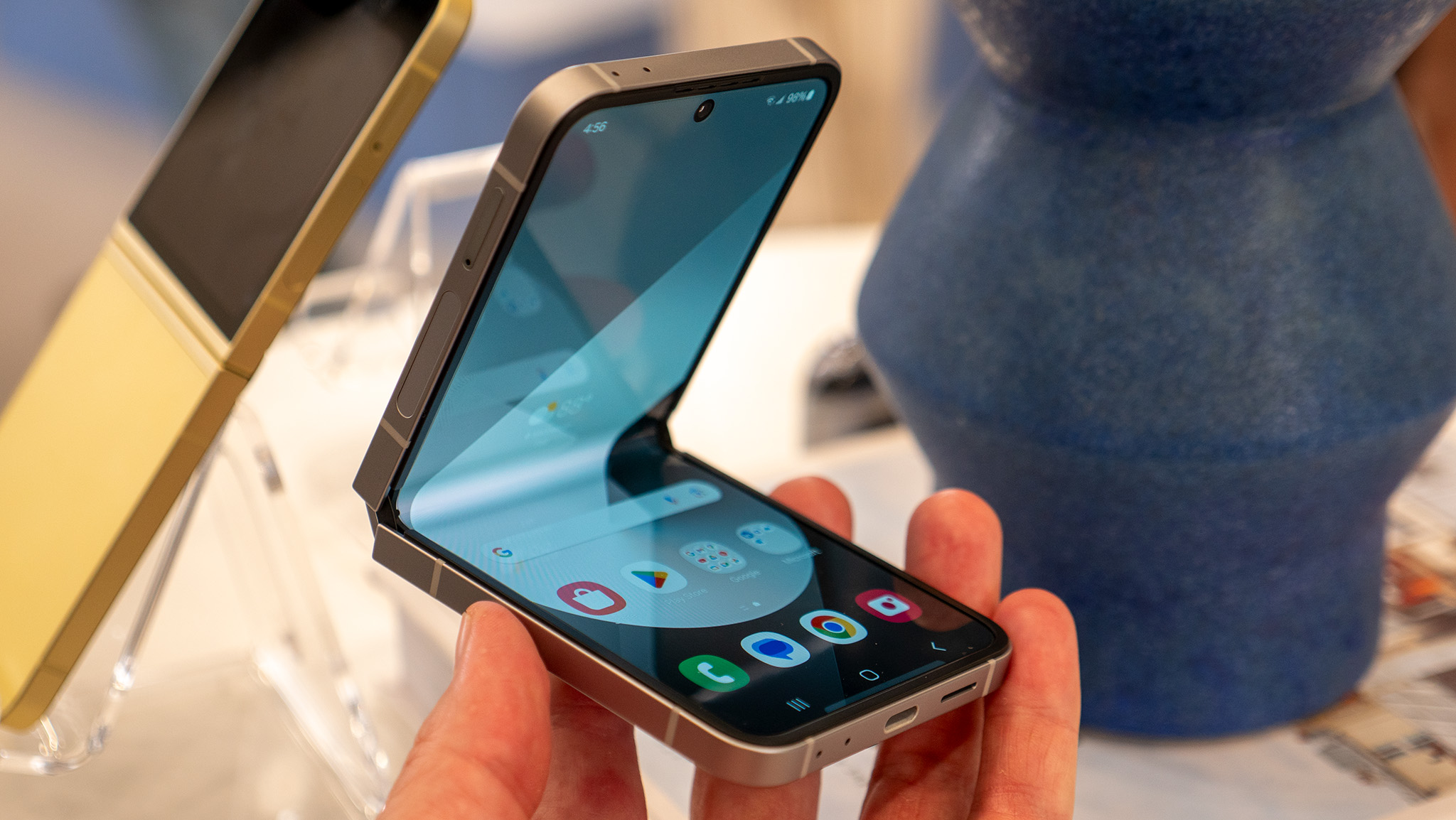
- Iconic Form Factor: The primary allure of the Flip 6 is, undeniably, its compact, clamshell design. It folds neatly in half, easily slipping into pockets or small bags where traditional slab phones struggle. This unique selling proposition alone is enough for many users.
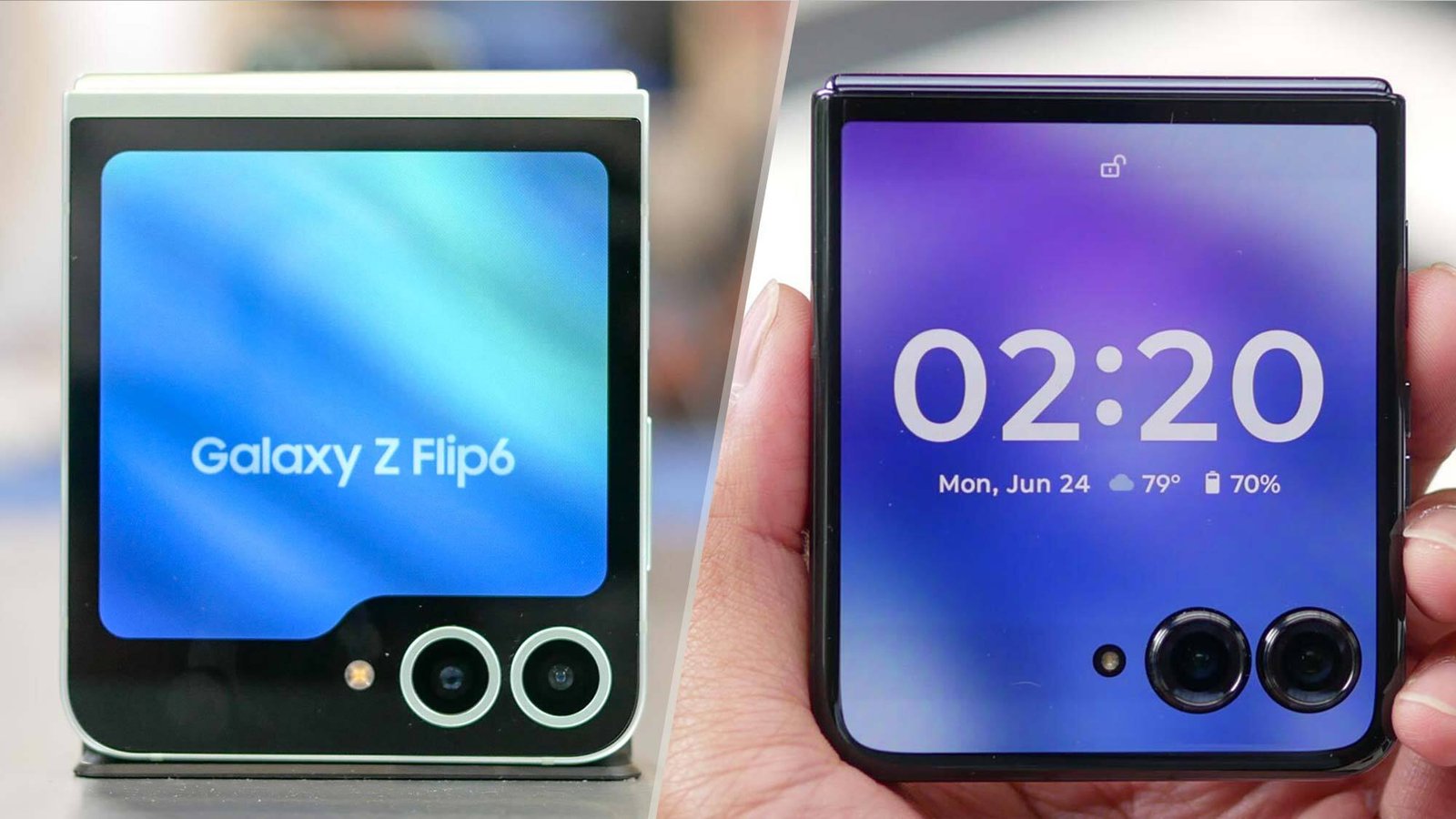
- Impressive Displays: The internal 6.7-inch Dynamic AMOLED 2X display offers vibrant colors, deep blacks, and a smooth 120Hz refresh rate, making for an excellent viewing and interaction experience. The external Cover Screen, while not massive, is highly functional for notifications, widgets, and quick replies, enhancing the "closed" experience.
- Solid Performance (for its time): Powered by the Snapdragon 8 Gen 2 for Galaxy (or its equivalent depending on region), the Flip 6 delivered robust performance for everyday tasks, gaming, and multitasking. It was a flagship-level chip that handled most applications with ease.
- Capable Camera System: While not reaching the heights of Samsung’s Ultra flagships, the Flip 6’s dual 12MP camera setup (main and ultrawide) consistently produced good-quality photos in well-lit conditions. Features like Flex Mode photography added unique creative angles.
- Refined Durability: Samsung has steadily improved the hinge and display durability with each generation. The Flip 6 felt more robust than its predecessors, with an IPX8 water resistance rating adding peace of mind.
- Software Experience: Running on One UI, the Flip 6 offered a feature-rich, intuitive, and highly customizable Android experience, seamlessly integrating with Samsung’s ecosystem.
Acknowledged Limitations of the Galaxy Z Flip 6:
- Battery Life: This has historically been a pain point for the Flip series, and while the Flip 6 saw improvements, it still wasn’t a multi-day champion. Power users often found themselves reaching for a charger by late afternoon or early evening.
- Camera Versatility: The lack of a dedicated telephoto lens was a significant omission for a premium device. While digital zoom was available, it couldn’t compare to optical zoom capabilities found in larger flagships. Low-light performance, though improved, still lagged behind top-tier competitors.
- Crease Visibility: Despite advancements, the crease where the screen folds remained visible and tactile. While most users adapt quickly, it’s a persistent reminder of the foldable nature.
- Dust Resistance: While water-resistant, the Flip series has yet to achieve official dust resistance, which is a concern for the hinge mechanism.
- Charging Speed: Charging speeds were decent but not exceptionally fast, meaning it took a while to top up the battery.
- Incremental Upgrades: For owners of the Flip 5, the Flip 6 felt like a modest update rather than a groundbreaking one, primarily focusing on refinement.
The Flip 6, then, is a testament to Samsung’s commitment to foldables. It’s a charming, capable, and convenient device that serves its target audience well. The question now becomes: how much better can the Flip 7 be, and do those improvements justify the cost of an upgrade?
Anticipated Enhancements: What the Galaxy Z Flip 7 is Expected to Bring
Based on industry rumors, leaked specifications, and Samsung’s typical upgrade cycle, we can paint a reasonably accurate picture of what the Galaxy Z Flip 7 will likely offer. The focus will undoubtedly be on addressing the Flip 6’s shortcomings while enhancing its core strengths.
1. Performance & Processor: The Snapdragon 8 Gen 3 for Galaxy
This is perhaps the most certain and impactful upgrade. The Galaxy Z Flip 7 is highly expected to feature the latest Qualcomm Snapdragon 8 Gen 3 for Galaxy chipset. This processor represents a significant generational leap over the Snapdragon 8 Gen 2 found in the Flip 6.
- Raw Power: Expect substantial improvements in CPU and GPU performance, leading to faster app loading, smoother multitasking, and a more fluid gaming experience, especially for graphically intensive titles.
- AI Capabilities: The Gen 3 chip boasts a vastly more powerful Neural Processing Unit (NPU), crucial for on-device AI features. This will directly translate to enhanced camera processing, real-time language translation, advanced voice assistants, and a host of "Galaxy AI" features debuted with the S24 series.
- Efficiency: Despite the power boost, the 8 Gen 3 is also designed to be more power-efficient. This is critical for the Flip’s compact form factor and smaller battery, potentially leading to noticeable improvements in battery longevity.
Impact on Upgrade Decision: For performance enthusiasts, heavy gamers, or users who push their device to its limits, this processor upgrade alone could be a compelling reason to jump from the Flip 6. The added AI capabilities will also offer a more "future-proof" experience.
2. Camera System: A Potential Leap Forward
The camera has always been the Achilles’ heel for the Flip series when compared to its larger Ultra siblings. Rumors suggest Samsung might finally address this more directly with the Flip 7.
- Larger Main Sensor: There’s speculation about a larger, more advanced main camera sensor (perhaps 50MP or even 200MP, though less likely for the Flip), which would significantly improve low-light performance, dynamic range, and overall image quality.
- Improved Computational Photography: Leveraging the Snapdragon 8 Gen 3’s enhanced NPU, the Flip 7 will benefit from more sophisticated image processing algorithms, leading to better detail, color accuracy, and noise reduction. Features like semantic segmentation and AI-powered editing tools will likely be more robust.
- The Telephoto Dream? This is the biggest "if." The inclusion of a dedicated telephoto lens would be a game-changer for the Flip series, finally offering optical zoom capabilities. While not a certainty, it’s the most requested camera upgrade and would dramatically increase the camera system’s versatility.
- Enhanced Video Capabilities: Expect improvements in video recording, including better stabilization, enhanced low-light video, and potentially higher frame rate options.
Impact on Upgrade Decision: If the Flip 7 genuinely brings a significant camera upgrade – especially a telephoto lens or a much larger main sensor – it would be a strong argument for photography enthusiasts. For casual point-and-shoot users, the improvements might be more subtle but still welcome.
3. Battery Life & Charging: Addressing a Core Concern
Battery life remains a top priority for foldable users. Samsung will likely tackle this from multiple angles:
- Increased Battery Capacity: While not guaranteed due to space constraints, a marginal increase in battery capacity (e.g., from 3700mAh to 3900mAh or 4000mAh) combined with the more efficient Snapdragon 8 Gen 3 could lead to a noticeable boost in endurance.
- Improved Efficiency: As mentioned, the new chipset is inherently more power-efficient. This, combined with software optimizations in One UI 7, should extend usage time.
- Faster Charging Speeds: While Samsung has been conservative with charging speeds on its smaller flagships, there’s always a possibility of a bump to 45W wired charging (from 25W), which would be a welcome convenience.
Impact on Upgrade Decision: For users constantly worried about their Flip 6’s battery dying before the day is out, even a modest improvement in battery life could be a compelling reason to upgrade. It directly addresses a primary pain point.
4. Display & Hinge Durability: Incremental Refinements
Samsung has made significant strides in foldable display technology, but perfection is elusive.
- Reduced Crease: Expect further advancements in the hinge mechanism to minimize the visibility and tactile feel of the crease. While unlikely to disappear entirely, each generation makes it less prominent.
- Enhanced UTG (Ultra Thin Glass): A more durable and scratch-resistant UTG layer would be a welcome improvement, offering better protection for the main display.
- Hinge Longevity: Continued improvements to the hinge mechanism will likely result in greater overall durability and a higher number of guaranteed folds.
- IP Rating: While IPX8 water resistance is standard, the elusive IP rating for dust resistance (e.g., IP5X or IP6X) would be a significant milestone, offering greater peace of mind for hinge protection.
Impact on Upgrade Decision: These are generally "quality of life" improvements. While important for long-term satisfaction, they might not be compelling enough on their own for a direct upgrade unless a Flip 6 user is experiencing specific durability concerns.
5. Design & Aesthetics: Subtle Tweaks and New Colors
The core clamshell design is unlikely to change dramatically.
- Slimmer Profile: Samsung might shave off a millimeter or two in thickness, making the device feel even sleeker.
- Refined Edges and Materials: Expect minor tweaks to the frame and back panel finishes, potentially new color options, and perhaps more eco-friendly materials.
- Cover Screen Enhancements: While unlikely to see a massive size increase, the Cover Screen could gain more interactive widgets, improved functionality, or even higher brightness.
Impact on Upgrade Decision: Design changes are typically subjective. Unless there’s a revolutionary aesthetic shift, these are unlikely to be primary drivers for an upgrade.
6. Software & AI Features: The Galaxy AI Push
The Galaxy Z Flip 7 will launch with the latest version of One UI (likely One UI 7 based on Android 15) and fully embrace Samsung’s "Galaxy AI" suite of features.
- Live Translate, Circle to Search, Generative Edit: These features, debuted with the S24 series, will be natively integrated, leveraging the new chipset’s AI capabilities for real-time translation, intuitive search, and powerful photo editing.
- Improved Productivity Tools: Expect refinements to Flex Mode, multitasking, and continuity features within the Samsung ecosystem.
- Extended Software Support: Samsung typically offers generous software update policies, and the Flip 7 will likely receive several years of major Android updates and security patches, ensuring its longevity.
Impact on Upgrade Decision: The integration of Galaxy AI is a significant value proposition. For users who want the absolute cutting edge of smartphone intelligence and productivity tools, this is a strong pull factor. While some AI features might trickle down to the Flip 6, the native, optimized experience will be on the Flip 7.
The Upgrade Dilemma: Who Should and Who Shouldn’t Upgrade?
With a clearer picture of the Z Flip 7’s likely enhancements, we can now address the core question with more nuance.
Who SHOULD Seriously Consider Upgrading from the Z Flip 6?
- Performance Junkies & Gamers: If you consistently push your Flip 6 to its limits, experience occasional stutters, or want the absolute smoothest gaming experience, the Snapdragon 8 Gen 3 alone is a compelling reason. The generational leap in raw power and efficiency is significant.
- Photography Enthusiasts (with a caveat): This group should wait for definitive camera reviews. If the Z Flip 7 indeed brings a larger main sensor, substantial low-light improvements, and especially a dedicated telephoto lens, then it’s a no-brainer. If the camera upgrade is minimal, it might not be worth it.
- Users with Battery Anxiety: If your Flip 6 barely lasts a full day and you’re constantly looking for a charger, even a modest improvement in battery life from the new chip and potential capacity increase could significantly enhance your daily experience.
- Early Adopters & Tech Enthusiasts: If you always want the latest and greatest, enjoy exploring new AI features, and appreciate incremental refinements across the board, the Flip 7 will offer a more polished and capable experience.
- Those on Upgrade Plans/Trade-in Deals: If you’re on a carrier upgrade plan that makes switching affordable, or if Samsung offers generous trade-in values for your Flip 6, the financial barrier to entry might be low enough to justify the upgrade for even minor improvements.
- Users Experiencing Degradation: If your Flip 6’s battery health has significantly degraded, the screen has minor issues, or the hinge feels less robust after a year of heavy use, upgrading offers a fresh start with improved durability.
- Desiring Galaxy AI: For users who are intrigued by the AI features debuted on the S24 series and want them fully integrated and optimized on their foldable, the Flip 7 will be the first Flip to offer this out-of-the-box.
Who SHOULD NOT (or Can Wait) Upgrade from the Z Flip 6?
- Budget-Conscious Users: Flagship phones are expensive, and foldables even more so. If you’re happy with your Flip 6’s performance and don’t feel a strong need for the latest features, saving hundreds of dollars by sticking with your current device is the most sensible choice.
- Casual Users: If your primary use cases are social media, messaging, light browsing, and occasional photos, your Flip 6 is perfectly capable. You won’t notice a dramatic difference in daily performance.
- Satisfied with Current Performance: If your Flip 6 still feels fast, smooth, and handles all your tasks without a hitch, the incremental speed bump might not be worth the investment.
- Waiting for a "Revolutionary" Flip: Some users might be holding out for a Flip with a dramatically larger cover screen, a completely invisible crease, or a truly dust-proof design. While the Flip 7 will refine, it’s unlikely to be a radical redesign. The Flip 8 or 9 might bring such a leap.
- Battery Life is "Good Enough": If you manage to get through your day comfortably with the Flip 6’s battery, the potential marginal improvement might not justify the cost.
- Disinterested in AI Features: If the "Galaxy AI" suite doesn’t excite you, and you prefer a more traditional smartphone experience, then a major selling point of the Flip 7 becomes irrelevant.
- Short Upgrade Cycle: If you typically upgrade every 2-3 years, then upgrading from a Flip 6 to a Flip 7 after just one year might feel premature and financially inefficient. Consider waiting for the Flip 8 or even Flip 9.
Beyond the Specs: User Experience and Long-Term Value
The decision to upgrade isn’t solely about benchmark scores and megapixel counts. It also involves the subjective experience and long-term implications.
- The "New Phone" Feel: There’s an undeniable excitement that comes with unboxing and setting up a brand-new device. The Z Flip 7 will feel snappier, the screen potentially brighter, and the hinge smoother, offering that satisfying sense of having the latest technology.
- Software Longevity: While the Flip 6 will continue to receive software updates for several years, the Flip 7 will naturally have a longer support window, potentially receiving one or two more major Android versions, ensuring it remains secure and feature-rich for longer.
- Resale Value: Upgrading annually or biennially allows you to take advantage of better trade-in values for your previous device. A year-old Flip 6 will fetch a better price than a two-year-old one when the Flip 7 is released.
- Ecosystem Integration: For users deeply embedded in the Samsung ecosystem (watches, tablets, earbuds), the latest phone often offers the most seamless and optimized connectivity experience.
Conclusion: A Calculated Decision Based on Personal Priorities
Ultimately, the question of whether the Galaxy Z Flip 7 is worth upgrading from the Flip 6 boils down to a personal cost-benefit analysis.
The Galaxy Z Flip 6 remains an excellent, charming, and highly functional foldable smartphone. It delivers a premium experience with its unique form factor, vibrant displays, and capable performance. For the vast majority of users, it will continue to serve their needs admirably for at least another year, if not more.
However, the Galaxy Z Flip 7 is poised to offer significant, albeit incremental, enhancements that address some of the Flip 6’s most prominent limitations. The Snapdragon 8 Gen 3 for Galaxy will deliver a substantial performance and efficiency boost, directly impacting speed, gaming, and battery life. A potentially improved camera system, especially if a telephoto lens is included, would transform the Flip’s photographic capabilities. And the full integration of Galaxy AI will push the boundaries of on-device intelligence.
If you are a power user, an avid mobile gamer, constantly battling battery drain, or a photography enthusiast yearning for more versatility from your foldable, and if the financial outlay (especially with trade-in options) is manageable, then the Galaxy Z Flip 7 will likely represent a compelling and worthwhile upgrade. The cumulative effect of these refinements promises a noticeably smoother, more capable, and more future-proof experience.
Conversely, if your Flip 6 is performing well, battery life isn’t a major concern, you’re not interested in the bleeding edge of AI, or if budget is a primary consideration, then holding onto your Z Flip 6 for another year or two is a perfectly sensible decision. The improvements, while significant for some, might not justify the premium cost for everyone.
As with all smartphone upgrades, the best advice is to wait for the official launch, scrutinize detailed reviews, and then weigh the proven enhancements against your specific needs and current device satisfaction. The Z Flip 7 is shaping up to be Samsung’s most refined clamshell foldable yet, but whether that refinement translates into a "must-have" upgrade is a choice only you can make.