The Unfolding Vision: Samsung Galaxy Z Flip 7 Camera Upgrade Explained
The Samsung Galaxy Z Flip series has consistently redefined the smartphone experience, offering a blend of nostalgic form factor and cutting-edge foldable technology. However, while its design and portability have always been its strong suits, the camera system, while competent, has often lagged behind its flagship S-series siblings and even some traditional bar phones in terms of raw capability and versatility. With each iteration, Samsung has chipped away at this gap, but the expectation for the Galaxy Z Flip 7 is that it will finally deliver a camera experience that is not just good for a foldable, but genuinely competitive within the broader premium smartphone landscape.
This article will delve deep into the anticipated camera upgrades for the Samsung Galaxy Z Flip 7, exploring the hardware advancements, computational photography enhancements, and user experience refinements that are expected to elevate its imaging prowess to unprecedented levels for the series. We will dissect the potential sensor changes, the long-awaited introduction of new lens types, and the sophisticated AI processing that will transform how users capture and create.
The Current Canvas: Understanding the Z Flip’s Camera Journey So Far
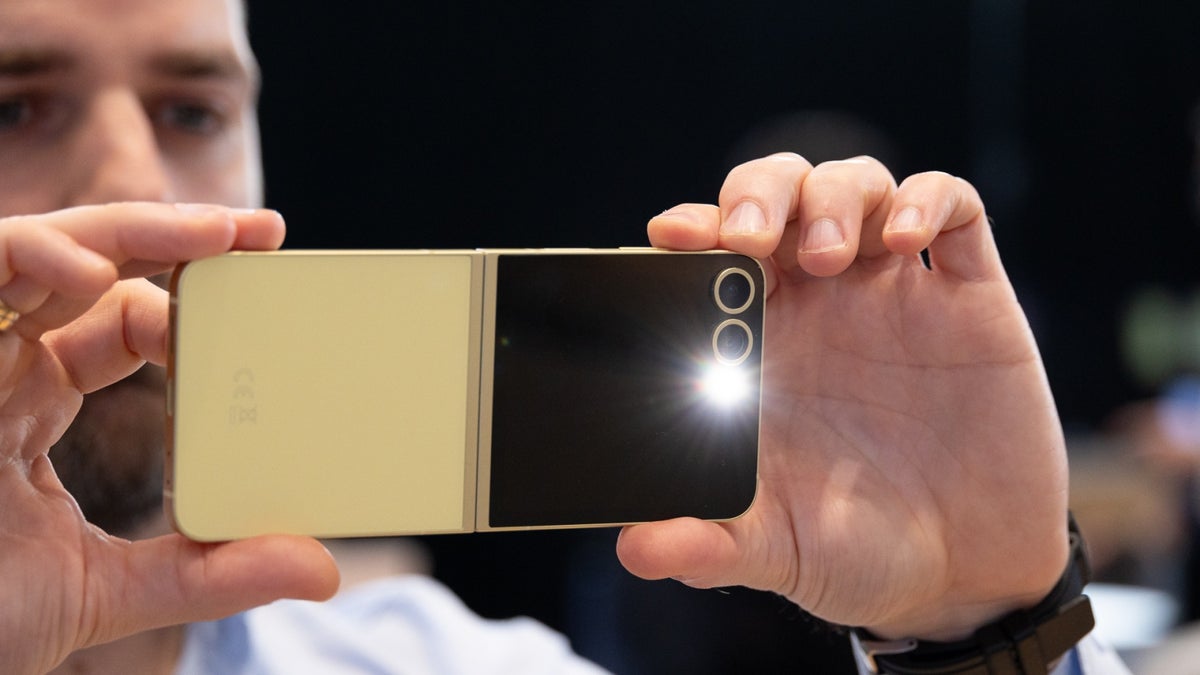
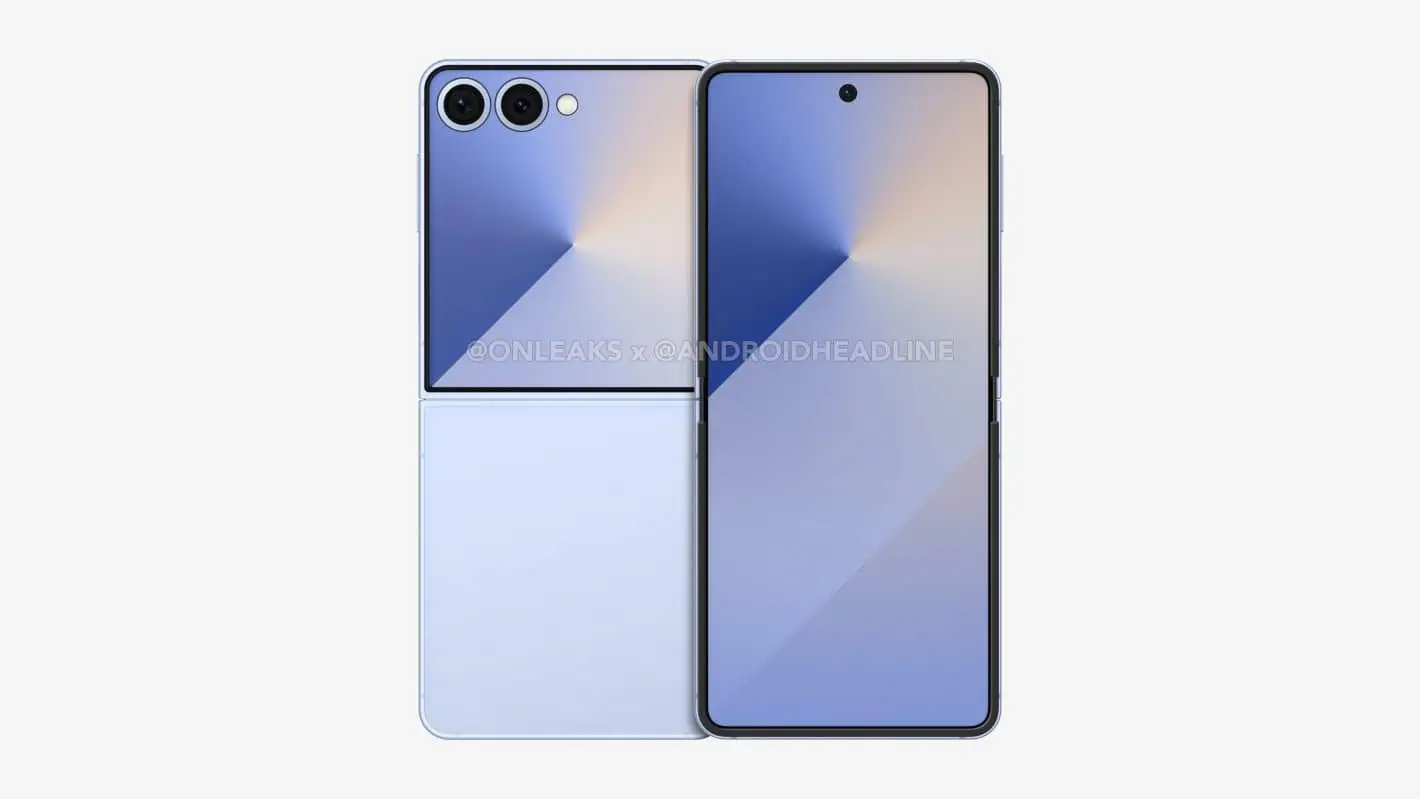
Before we gaze into the future, it’s crucial to understand the foundation. Previous Galaxy Z Flip models, including the most recent Z Flip 6 (or Z Flip 5, depending on the release cycle), typically feature a dual-camera setup on the rear: a primary wide-angle lens and an ultrawide-angle lens. The front-facing camera is usually a standard punch-hole design.
Strengths of the Current Z Flip Camera:
- Convenience and Versatility: The foldable form factor inherently offers unique photographic opportunities. Flex Mode allows for hands-free selfies and stable low-angle shots, while the ability to use the main cameras for high-quality selfies via the cover screen is a significant advantage.
- Daylight Performance: In well-lit conditions, the main sensor generally produces vibrant, detailed images with Samsung’s characteristic punchy colors.
- User-Friendly Software: Samsung’s camera app is intuitive, offering a range of modes from Pro to Portrait, catering to various user needs.
Areas Ripe for Improvement:
- Low Light Performance: While Nightography has improved, the smaller sensors and less advanced processing compared to the Ultra series mean that low-light photos can still suffer from noise and a lack of detail.
- Lack of Telephoto Lens: This is arguably the biggest omission. The absence of an optical zoom lens limits versatility, especially for portrait photography and capturing distant subjects. Digital zoom often results in significant quality degradation.
- Ultrawide Angle Quality: While present, the ultrawide sensor often lags behind the main sensor in terms of resolution, low-light performance, and edge distortion correction.
- Front-Facing Camera: Though decent, it’s typically not on par with the main cameras, limiting the quality of video calls and selfies in challenging conditions.
- Sensor Size: Historically, the Z Flip series has used smaller main sensors compared to the S-series flagships, which directly impacts light gathering capability and natural depth of field.
The Galaxy Z Flip 7 is poised to address these limitations head-on, aiming for a camera system that not only complements its unique design but also stands strong on its own merits.
The Hardware Revolution: A Trio of Lenses and Beyond
The most significant and impactful upgrades for the Z Flip 7’s camera are expected to come from its underlying hardware. This isn’t just about minor tweaks; it’s about a fundamental re-evaluation of the optical system.
1. The Main Wide-Angle Sensor: A Leap in Light Gathering
The primary camera is the workhorse, responsible for the vast majority of photos. For the Z Flip 7, we anticipate a substantial upgrade here, moving closer to the sensor technology seen in the S-series.
- Larger Sensor Size: The most crucial upgrade would be a physically larger main sensor. While previous Flips hovered around 1/1.76-inch or 1/1.56-inch, the Z Flip 7 could potentially jump to a 1/1.3-inch or even a 1/1.28-inch sensor.
- Why it matters: A larger sensor can gather significantly more light, leading to:
- Improved Low-Light Performance: Brighter, clearer photos in dim conditions with less noise.
- Better Dynamic Range: More detail preserved in both highlights and shadows.
- Shallower Depth of Field: A more natural background blur (bokeh) for portraits and close-ups, making subjects pop.
- Why it matters: A larger sensor can gather significantly more light, leading to:
- Higher Megapixel Count (with Pixel Binning): While megapixel count isn’t everything, a jump from 12MP to a 50MP or even 108MP sensor (like the ISOCELL HP2 or HP3 found in S23/S24 series) is highly probable.
- How it works: These high-resolution sensors typically employ pixel binning technology (e.g., Tetra2pixel or Nonapixel). This combines data from multiple adjacent pixels into one "super pixel" (e.g., 4-in-1 binning for 50MP, 16-in-1 for 200MP).
- Benefits: This results in a higher-quality 12.5MP or 16MP final image with enhanced light sensitivity and reduced noise, while still offering the option to shoot in full resolution for maximum detail when needed.
- Wider Aperture: A slight improvement in aperture, say from f/1.8 to f/1.7 or even f/1.6, would further complement the larger sensor, allowing even more light to reach the sensor.
- Advanced Optical Image Stabilization (OIS): While OIS has been present, expect improvements in its effectiveness, leading to sharper photos in challenging conditions (low light, moving subjects) and smoother video footage.
- Faster Autofocus: Enhanced autofocus systems, such as improved Dual Pixel AF or the integration of Laser AF, will ensure quicker and more accurate focusing, especially in challenging lighting or with fast-moving subjects.
2. The Much-Anticipated Telephoto Lens: Zooming into Versatility
This is the holy grail for Z Flip camera enthusiasts. The absence of an optical zoom lens has been the most glaring omission, limiting the device’s versatility for portraits, wildlife, and distant subjects. The Z Flip 7 is heavily rumored to finally incorporate a dedicated telephoto lens.
- The Challenge of Space: Integrating a telephoto lens, especially one with optical zoom, into the compact, foldable chassis of the Z Flip is a significant engineering challenge. Traditional telephoto lenses require a certain focal length, which translates to physical length within the phone.
- Potential Solutions:
- Periscope Telephoto Lens: This is the most likely solution. A periscope design uses a prism to bend light sideways into the phone’s body, allowing for a longer focal length and thus higher optical zoom without increasing the phone’s thickness. While more complex and expensive, it offers superior zoom capabilities.
- Traditional Telephoto Lens: A simpler, smaller telephoto lens (e.g., 2x or 3x optical zoom) that doesn’t use a periscope might also be considered if space constraints are too severe for the periscope. However, the market demands better.
- Expected Zoom Levels: A 3x optical zoom is the most probable starting point, offering a significant improvement over digital zoom. A 5x optical zoom (similar to some S-series models) would be even more impressive but might be harder to integrate.
- Impact on Photography:
- Superior Portraits: Optical zoom is crucial for natural-looking portraits with flattering compression and genuine background separation.
- Distant Subjects: Capture details from afar without resorting to blurry digital zoom.
- Compositional Versatility: Opens up new creative possibilities for framing shots.
- Sensor for Telephoto: The telephoto lens would likely be paired with a dedicated sensor, possibly 10MP or 12MP, optimized for zoom.
3. The Ultrawide Angle Sensor: Wider and Sharper
While often secondary, a good ultrawide lens is essential for landscapes, architecture, and group photos. The Z Flip 7’s ultrawide camera is expected to see notable improvements.
- Higher Resolution: A bump from 12MP to 16MP or even 20MP for the ultrawide sensor would provide more detail and allow for greater cropping flexibility.
- Improved Lens Quality: Better optics to reduce distortion at the edges, ensuring that subjects at the periphery don’t appear stretched or warped.
- Enhanced Low-Light Performance: Leveraging a slightly larger sensor or better processing for the ultrawide would make it more usable in challenging lighting conditions, where ultrawide lenses traditionally struggle.
- Autofocus for Macro: Integrating autofocus into the ultrawide lens would enable macro photography, allowing users to get incredibly close to subjects and capture intricate details.
4. The Front-Facing Camera: Beyond the Punch-Hole?
The selfie camera, while important, has typically been a standard punch-hole design. For the Z Flip 7, while an Under-Display Camera (UDC) is a possibility given Samsung’s advancements, it’s more likely that Samsung will focus on refining the traditional punch-hole for the Z Flip 7 to maintain cost-effectiveness and image quality.
- Resolution Bump: An upgrade from 10MP to 12MP or even 16MP for sharper selfies and video calls.
- Improved Low-Light Sensitivity: A slightly larger sensor or better image processing for the front camera will significantly enhance its performance in dim environments.
- Enhanced Autofocus: Adding autofocus to the front camera (if not already present or improved) would ensure consistently sharp selfies, especially in group shots or when moving.
The Brain Behind the Beauty: Computational Photography & AI
Hardware is only half the story. Modern smartphone photography relies heavily on sophisticated software and artificial intelligence to process images, overcome physical limitations, and deliver stunning results. The Galaxy Z Flip 7 will undoubtedly leverage Samsung’s latest advancements in computational photography.
1. Next-Generation Image Signal Processor (ISP)
The ISP is the brain of the camera system, responsible for converting raw sensor data into a viewable image. The Z Flip 7 will likely feature a more powerful and efficient ISP, possibly integrated into the latest Snapdragon or Exynos chip.
- Faster Processing: Quicker image capture, especially for multi-frame processing (HDR, Night Mode).
- Superior Noise Reduction: More intelligent algorithms to reduce noise without sacrificing fine detail.
- Enhanced Dynamic Range Mapping: Better preservation of detail across extreme light and shadow conditions.
- Improved Color Science: More accurate and pleasing color reproduction.
2. Advanced AI-Powered Image Processing
Samsung’s "AI Camera" features are constantly evolving. For the Z Flip 7, expect a more refined and powerful implementation.
- Smarter Scene Optimizer: The AI will be even better at identifying different scenes (food, sky, pets, landscapes, text) and applying optimal settings. It could also become more granular, recognizing specific elements within a scene for targeted enhancements.
- Semantic Segmentation: More precise identification of different elements in a scene (e.g., separating skin from hair, clothes from background, sky from buildings). This allows for highly targeted adjustments, leading to more natural and realistic enhancements.
- Next-Gen HDR (High Dynamic Range): Leveraging multi-frame capture and AI, the Z Flip 7 will produce HDR images with unparalleled detail in both bright and dark areas, minimizing blown-out highlights and crushed blacks.
- Revolutionized Nightography: Building on its existing strengths, Nightography will see significant improvements.
- Brighter and Sharper Low-Light Photos: Leveraging the larger main sensor and advanced multi-frame processing to capture more light and detail in extremely dim conditions.
- Reduced Noise and Artifacts: More sophisticated noise reduction algorithms will minimize graininess while preserving textures.
- Enhanced Video in Low Light: Improved low-light video capture, making it more usable for night-time vlogging or casual recording.
- Refined Portrait Mode: With the addition of a telephoto lens, Portrait Mode will benefit immensely.
- More Accurate Depth Mapping: Better subject isolation, even with complex hair or accessories.
- More Natural Bokeh: Improved background blur simulation that looks more like a professional camera.
- New Portrait Lighting Effects: AI-driven lighting adjustments to enhance facial features.
3. Elevated Video Capabilities
Video recording is a critical aspect of modern smartphone use, and the Z Flip 7 is expected to see significant upgrades here.
- Higher Resolution and Frame Rates: Potential for 8K video recording at 30fps (up from 24fps) or improved 4K recording at 60fps across all lenses (including ultrawide and telephoto).
- Enhanced Super Steady Stabilization: Combining improved OIS with advanced Electronic Image Stabilization (EIS) and AI prediction, resulting in even smoother, more professional-looking video, even in challenging conditions.
- Cinematic Video Modes:
- Portrait Video (Bokeh Video): More refined real-time background blur for video, with improved edge detection.
- Pro Video Mode Enhancements: More granular manual controls, histogram, zebras, and support for professional codecs.
- Director’s View: Improved interface and seamless switching between multiple cameras during recording.
- Improved Audio Recording: Better microphone arrays and noise cancellation for clearer audio in videos.
4. Smart Software Features & Editing Tools
The camera experience extends beyond just capturing the image. Samsung is known for its robust software ecosystem.
- AI Editing Tools: Building on features like Object Eraser, expect more sophisticated AI-powered editing tools directly within the gallery app, possibly including generative fill-like capabilities for expanding images or removing complex objects.
- Enhanced Pro Mode: More detailed controls for shutter speed, ISO, white balance, and manual focus, catering to photography enthusiasts. Support for RAW format capture with greater dynamic range for post-processing.
- Personalized Color Tones: AI that learns user preferences for color and applies them subtly.
The Flip Factor: Ergonomics and Unique Photographic Opportunities
The foldable design of the Z Flip is not just a gimmick; it’s a fundamental part of its photographic appeal, and the Z Flip 7 will likely enhance this unique user experience.
1. Enhanced Flex Mode Photography
Flex Mode, where the phone is partially folded, is a game-changer for hands-free photography and videography.
- Improved UI for Flex Mode: A more intuitive and optimized user interface when the phone is in Flex Mode, making it easier to adjust settings, frame shots, and trigger the shutter.
- Stability for Long Exposures: The ability to act as its own tripod allows for incredibly stable long-exposure shots (e.g., light trails, starry skies) without needing external accessories.
- Unique Angles: Capture photos and videos from creative low angles or eye-level without straining.
2. Quick Shot and Cover Screen Utilization
The ability to use the main cameras for selfies and quick shots via the cover screen is a core Z Flip feature.
- Faster Access: Even quicker double-press of the power button to launch the camera, ensuring no moment is missed.
- Better Cover Screen Preview: A larger and higher-resolution cover screen (as rumored for the Z Flip 7) will provide a much better preview for framing high-quality selfies with the main cameras.
- More Gestures and Controls: Enhanced gestures for triggering the shutter, switching modes, or adjusting zoom directly from the cover screen.
3. Durability and Lens Protection
While not directly a camera upgrade, the overall durability of the device impacts the camera’s longevity and performance.
- Stronger Glass: The use of advanced protective glass (e.g., Gorilla Glass Armor) for the camera lenses will reduce scratches and damage.
- Improved Oleophobic Coating: A better coating on the lenses to repel fingerprints and smudges, ensuring clear shots.
The Z Flip 7’s Place in the Camera Hierarchy
With these anticipated upgrades, the Samsung Galaxy Z Flip 7 aims to significantly close the camera gap with its more traditional flagship counterparts.
- Against Previous Z Flips: It will represent a monumental leap forward, making previous generations feel significantly limited in camera versatility.
- Against Galaxy S Ultra Series: While the S Ultra series will likely retain its crown for ultimate zoom and sensor prowess, the Z Flip 7 will narrow the gap considerably, especially in general-purpose photography, low light, and portraiture. It will become a more compelling alternative for users who prioritize the foldable form factor but no longer want to compromise heavily on camera quality.
- Against Other Foldables: These upgrades could give the Z Flip 7 a distinct competitive edge against other clamshell foldables, many of which still lag in camera performance.
- Against Traditional Bar Phones: For the vast majority of users, the Z Flip 7’s camera system will be more than sufficient, delivering flagship-level results in most scenarios. Its unique form factor will offer photographic advantages that traditional phones cannot.
The Z Flip 7’s camera will no longer be "good for a foldable," but rather "a great smartphone camera that happens to be a foldable." This shift in perception is crucial for attracting a broader user base beyond fashion enthusiasts to serious photographers and content creators who appreciate innovation without sacrificing imaging quality.
Conclusion: Unfolding a New Era of Mobile Photography
The Samsung Galaxy Z Flip 7 is poised to usher in a new era for foldable smartphone photography. By addressing the critical limitations of previous generations – primarily the lack of a telephoto lens and smaller sensors – and integrating Samsung’s cutting-edge computational photography and AI, it aims to deliver a comprehensive and compelling camera experience.
From larger, more light-sensitive main sensors and the much-anticipated optical zoom to smarter AI processing for breathtaking low-light shots and cinematic videos, every aspect of the camera system is expected to see a significant uplift. Coupled with the inherent advantages of the Z Flip’s unique form factor for creative angles and hands-free shooting, the Galaxy Z Flip 7’s camera promises to be a powerful tool for capturing life’s moments with unparalleled quality and versatility.
This isn’t just an upgrade; it’s a transformation. The Z Flip 7 is set to prove that a compact, stylish foldable can also be a serious contender in the fiercely competitive world of smartphone photography, finally unfolding its full vision for a truly all-encompassing mobile experience.